A Lisbon meal can be as quick as a coffee at the counter or as unhurried as a long lunch. There is no single script for eating “like a local”. The useful things to know are what to order, how a few menu terms work and which charges you can question.
Coffee, breakfast and the pastelaria
For a short coffee, ask for a café or bica. A garoto has a little milk; a meia de leite has more and is served in a cup; a galão comes in a taller glass. Names and sizes can vary between cafés, so pointing to the cup you want is fine. A neighbourhood pastelaria is a good place for coffee, toast or a pastry at almost any point in the day. You can sit down or use the counter, depending on the place and your mood.
Restaurant kitchens tend to have lunch and dinner service rather than continuous food service, but hours differ widely. Check the kitchen hours if you plan to eat between meals, especially outside the busiest areas. In a hurry? A café sandwich, soup or prato do dia can be easier than a full restaurant meal.
Petiscos, fish and what to order
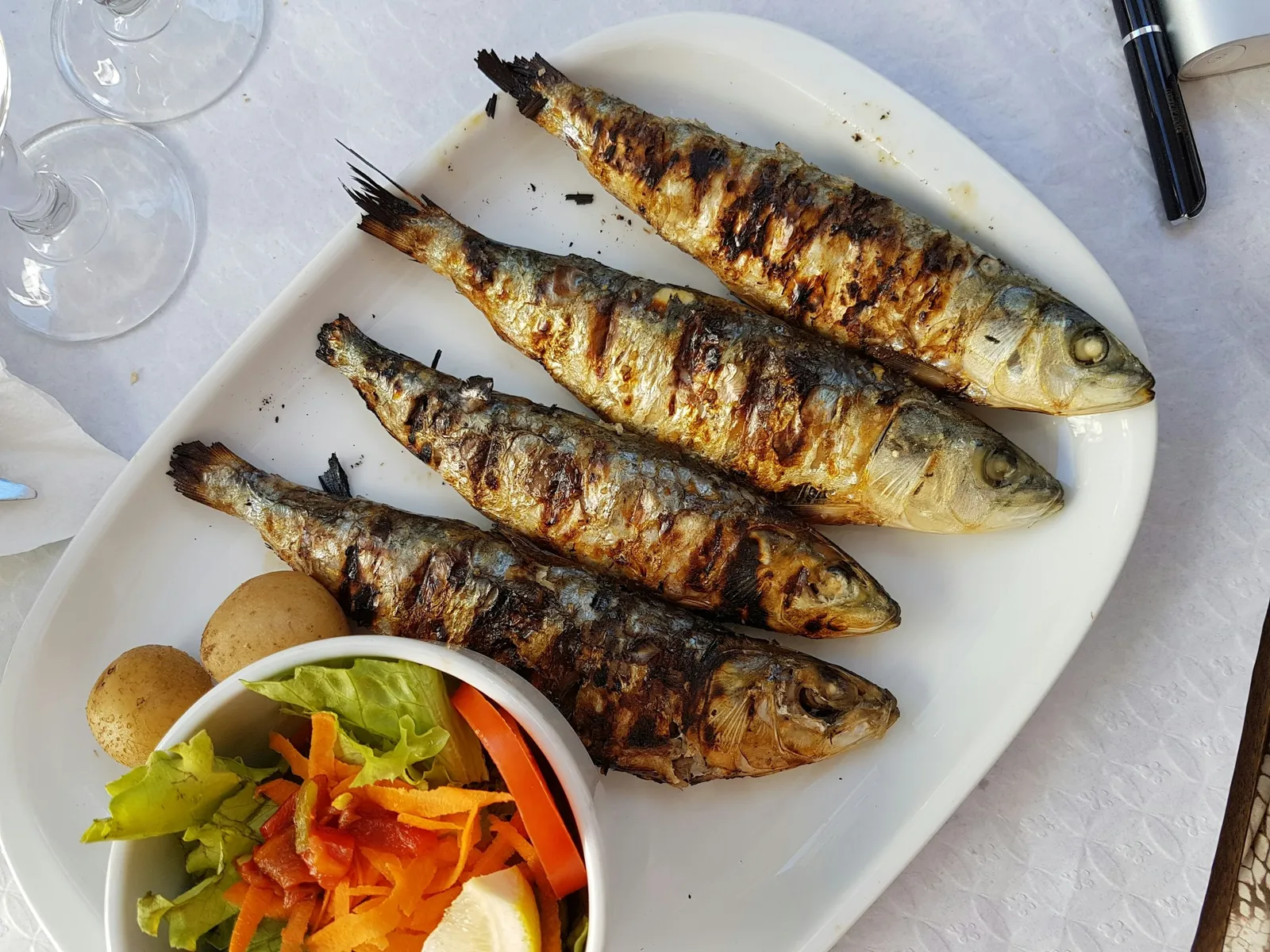
Petiscos are small dishes that can be shared, though portion sizes differ. Try pataniscas de bacalhau (cod fritters), peixinhos da horta (fried green beans) or a seasonal special; ask how many people a dish serves. Grilled sardines are particularly associated with Lisbon's June festivities, while bacalhau appears in many preparations throughout the year. For a simple main course, a bitoque is steak with a fried egg, usually accompanied by chips or rice.
If you want to browse ingredients and eat at a market, check whether you are going to a fresh-food market or a food hall. Mercado da Ribeira and Time Out Market share an address but serve different purposes. Shop and stall hours vary; ask before handling produce rather than assuming every stall works the same way.


The couvert and the bill
Bread, olives or cheese may arrive before you order. This is the couvert. It is not necessarily complimentary. Portugal's food and economic safety authority, ASAE, says restaurants must display prices and cannot charge for an item, including couvert, if you did not request or use it. If you do not want it, say so before eating it; if a disputed item appears on the bill, ask the staff to correct it.
There is no fixed tip you must leave. If you appreciated the service, you can leave an amount you choose after checking the bill. Ask whether a suggested tip on a payment terminal is optional. Splitting a bill and paying by card depend on the restaurant; it is reasonable to ask when ordering if that matters to your group.
The most useful habit is simple: read the menu, ask about the day's dish, and let the place tell you how it works. Our restaurant guide has specific places to start, from seafood to a warm pastel in Belém.