.jpg)
Most visits work well with a mixture of walking, metro and an occasional bus or tram. Choose the route first and the ticket second: a day spent in one neighbourhood needs a different budget from a day crossing the city several times.
Reference fares for 2026
| Ticket or payment | Price | What to know |
|---|---|---|
| Carris/Metro single | €1.90 | Load onto an occasional card |
| Metro contactless bank card | €1.92 | Metro journey; use the same card or device at both gates |
| Zapping on Metro or Carris | €1.72 | Preloaded credit; operators charge separately |
| Carris/Metro 24-hour ticket | €7.25 | For repeated travel on these two networks |
| Bus ticket bought on board | €2.30 | For that bus journey |
| Tram ticket bought on board | €3.30 | For that tram journey |
The reusable navegante ocasional card costs €0.50 in addition to the ticket or credit. The table uses the operators’ published 2026 tariffs, checked on 29 September. It does not mean every service across greater Lisbon shares one fare. Consult Metro’s ticket rules before combining products or changing operators.
For example, four €1.90 tickets cost €7.60, so a €7.25 day ticket can make sense for a busy day. Four €1.72 zapping charges cost €6.88: the day ticket is not automatically cheaper. These comparisons exclude the card purchase and assume separate chargeable journeys.
Choosing the right transport
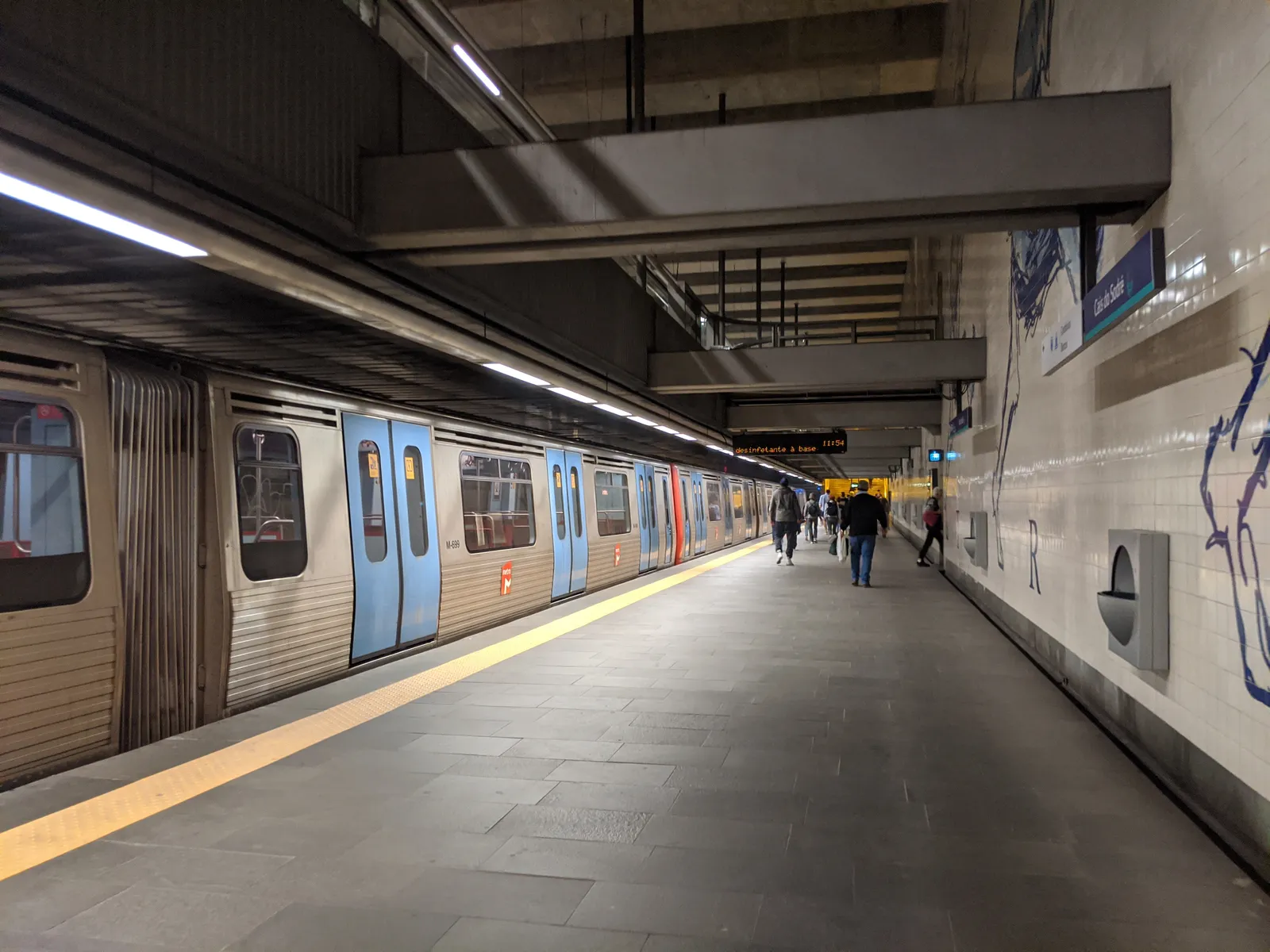
Metro is useful for crossing the city and reaching the airport. It does not serve every historic street or Belém; check the final walk and any change of line. For ticket machines, gates and operating hours, use our metro guide.
Buses and trams reach places the metro does not. The 15E corridor is useful for Belém and the 28E is a working tram route as well as a visitor favourite. Check Carris service updates for diversions and the actual stop before leaving. Do not rely on a historic lift or funicular as your only way up a hill without checking its operating status.
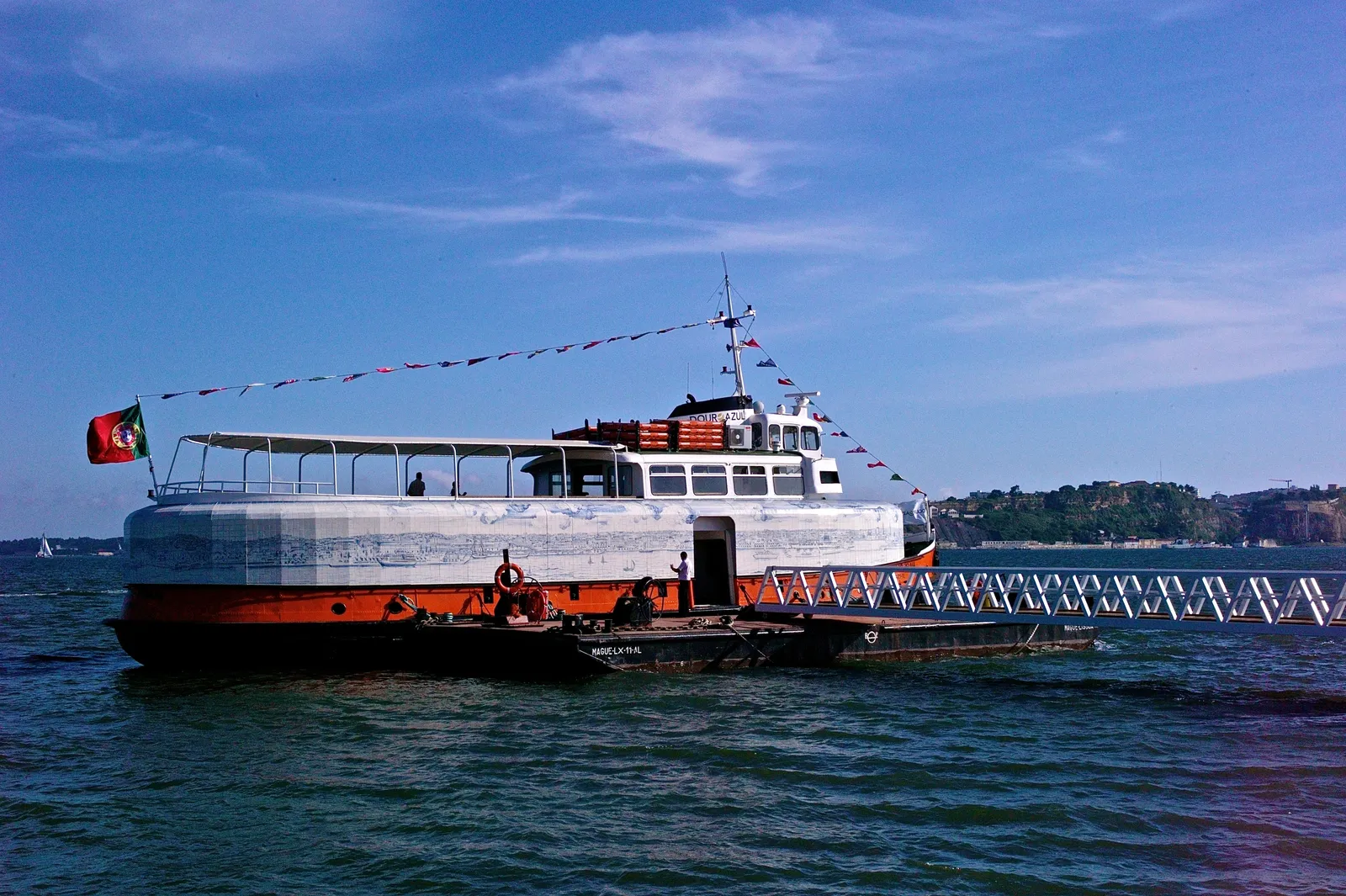
Trains and ferries are useful beyond the centre. A basic Carris/Metro ticket is not a universal regional pass. Check CP for Sintra or Cascais and Transtejo Soflusa for river crossings; select a ticket for the route you intend to take.
.jpg)
Cards, validation and families
Each passenger needs their own valid ticket or payment method. Keep your card until you are outside the metro exit gates; validate on each bus or tram boarding too. With bank-card payment in the metro, a physical card and its phone version must not be swapped between entry and exit.
Free-travel and concession schemes can require a personalised card and eligibility checks. Visiting families should ask the operator which rule applies before assuming children or older travellers travel free.
Taxis and app bookings
A taxi or Uber/Bolt can be useful late at night, with luggage or when a steep final climb makes public transport awkward. Confirm a taxi’s charging arrangement or read the app quote before booking; we do not publish an estimated fare as though it were a fixed price.
Airport arrivals have their own pickup arrangements and a prepaid taxi-voucher option. See the airport transfer guide for those details, or getting around Lisbon for hills, accessibility and planning a comfortable day.
For a street festival, strike or public holiday, check our guide to events and service changes before setting out.