_01.jpg)
Lisbon opens out
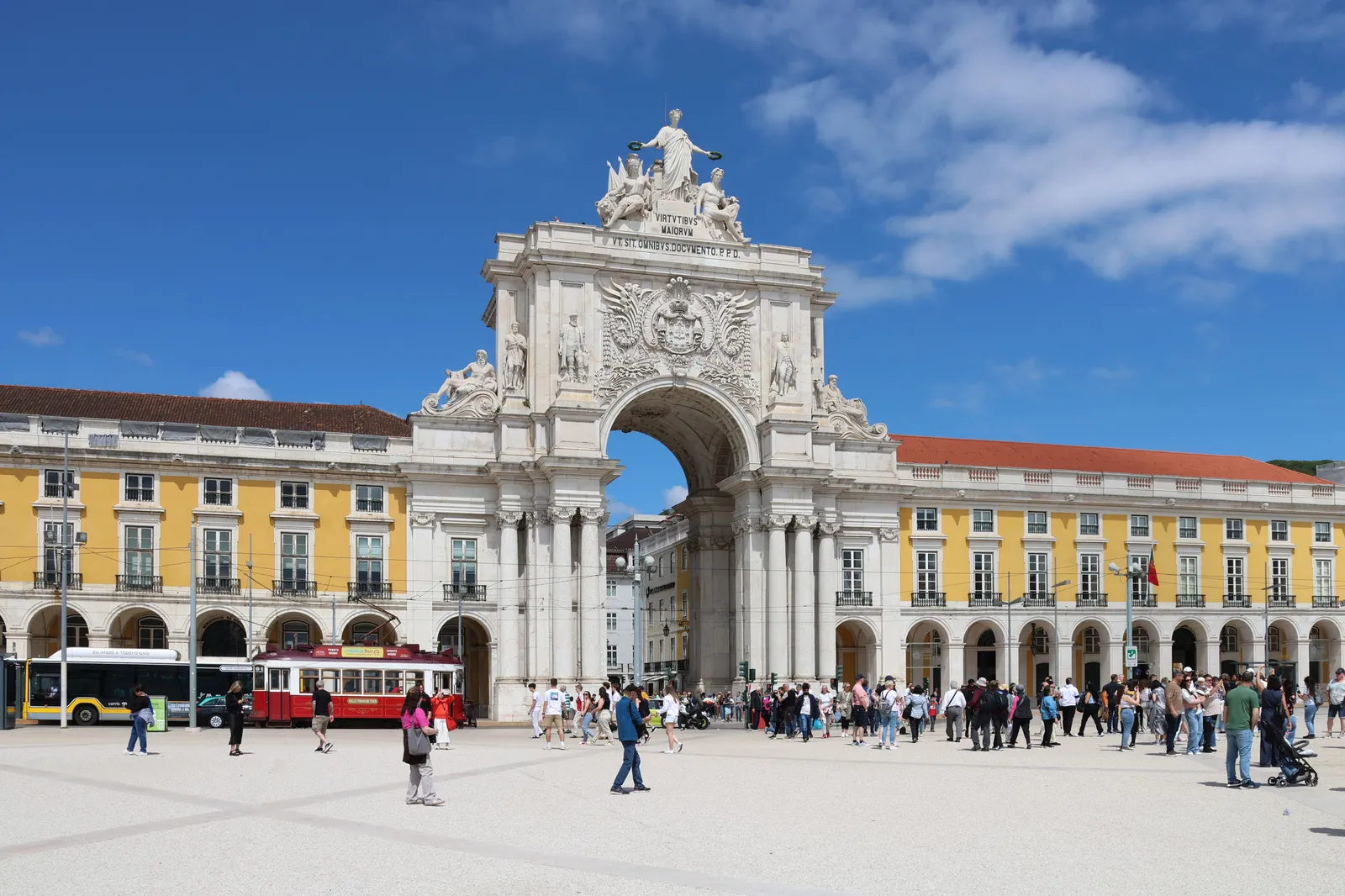
After the lanes and hills of the older neighbourhoods, Baixa feels spacious. Its grid of streets leads between Rossio and Praça do Comércio, with the Tagus waiting at the southern end. It is a useful place to get your bearings on a first visit.
From Rossio to the river
Follow Rua Augusta at your own pace, taking detours into the parallel streets for shops and cafés. The arch frames the approach to Praça do Comércio; once through it, leave time to walk across the square and along the waterfront.
Baixa’s regular plan belongs to the rebuilding that followed the 1755 earthquake. You can appreciate that change in the city simply by looking along the streets and comparing them with the winding routes of nearby Alfama.
.png)
A good starting point
It is easy to build a day around this area. Continue uphill to Chiado, turn towards Alfama, or stay by the river. For meals, browse beyond the busiest pedestrian stretch and read the menu before choosing a table.
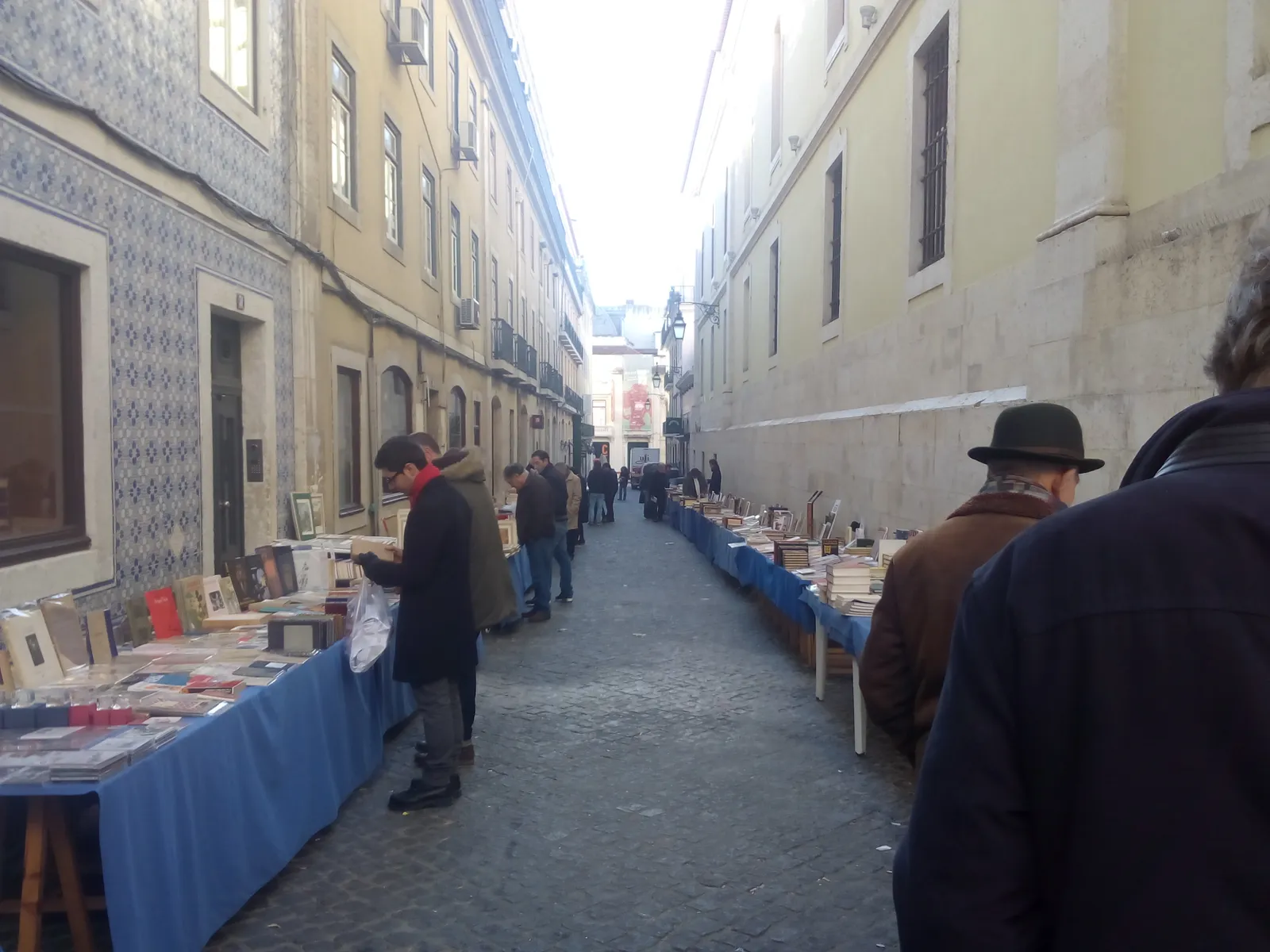
Shopping and sightseeing share the same streets here, so leave room for unplanned stops. The broad squares offer a useful break between museums, monuments and walks through the hillier districts.
Getting around
The central metro stations make Baixa straightforward to reach; the practical notes list useful options. The streets are comparatively level, but cobbles and kerbs still matter if you use a wheelchair or pushchair. Check the actual walking route rather than assuming every connection to an uphill neighbourhood is step-free.